

Workshops
The group organizes hands-on workshops on data-driven materials modeling, quantum computing, and moving research toward application. Recordings and materials stay available after each event.
AI-Enabled Energy Systems: Technologies, Intelligence, and Security
Oct 28, 2026
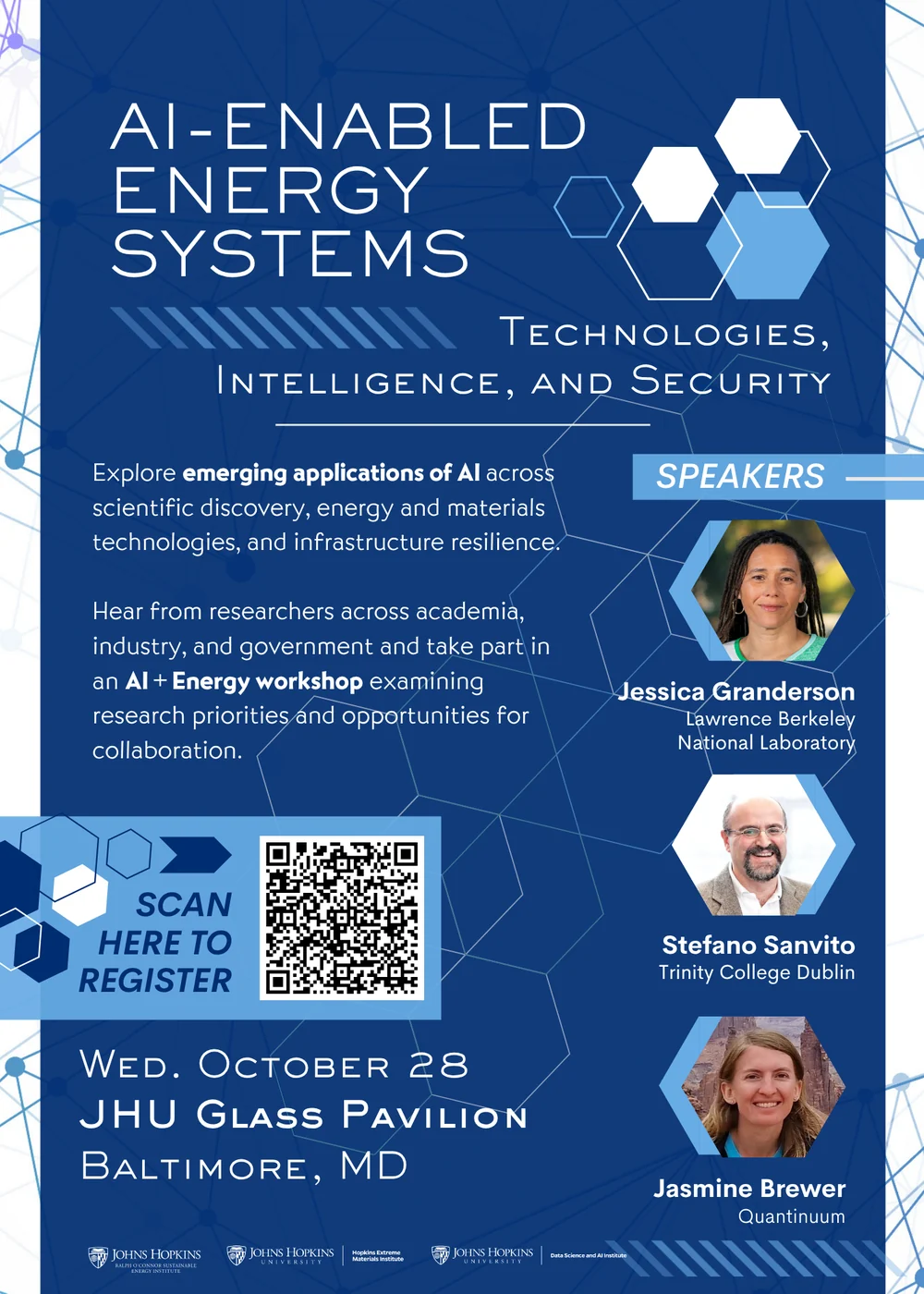
AI-Enabled Energy Systems: Technologies, Intelligence, and Security is a one-day conference on October 28, 2026, in the Glass Pavilion on the Homewood campus in Baltimore, Maryland. The program covers emerging applications of AI across scientific discovery, energy and materials technologies, and infrastructure resilience. Invited talks from researchers in academia, industry, and government run through the morning, and an AI + Energy roadmap workshop follows in the afternoon, examining research priorities and opportunities for collaboration. The conference is hosted by the Data Science and AI Institute (DSAI), the Ralph O'Connor Sustainable Energy Institute (ROSEI), and the Hopkins Extreme Materials Institute (HEMI) at Johns Hopkins.
Highlights
- Invited talks from researchers across academia, industry, and government
- An AI + Energy roadmap workshop on research priorities and opportunities for collaboration
- Breakfast, a boxed lunch, and time for discussion between sessions
Registration
Details and registration are on the event page. The conference runs 9:00 AM to 5:00 PM in the Glass Pavilion, with breakfast at 8:00 AM and a boxed lunch at 12:30 PM.
Sessions
- Enabling Scientific Discovery with Generative Quantum AI Dr. Jasmine Brewer, Quantinuum
Abstract
Quantum computing has the potential to contribute to challenging problems in chemistry and materials science, but realizing that potential in the near term will require close integration of quantum computing with advances in classical computing and AI. In this talk, we will briefly review how AI can improve key components of quantum computation, including circuit optimization and quantum-state preparation. We will then present ADAPT-GQE, a generative AI framework that learns to synthesize ground-state preparation circuits for electronic-structure calculations. We demonstrate the approach on imipramine, a tricyclic antidepressant that provides a challenging, chemically relevant target for computational modelling in drug-stability protocols. ADAPT-GQE achieves order-of-magnitude reductions in circuit-generation time compared with ADAPT-VQE while maintaining comparable or improved state-preparation accuracy. These results establish a pathway toward automated quantum circuit synthesis for utility-scale quantum computational chemistry.
- Integration of Machine Learning and AI in Materials Discovery Workflows Prof. Stefano Sanvito, Trinity College Dublin
Abstract
The process of finding new materials, optimal for a given application, is lengthy, often unpredictable, and has a low throughput. The integration of machine-learning and artificial intelligence techniques in discovery workflows can drastically accelerate the cycle, delivering a throughput otherwise impossible with first-principles methods. In this talk, I will describe two alternative computational strategies to achieve such acceleration. Firstly, I will discuss a family of machine-learning models for predicting materials quantities, with a specific example in the Curie temperature of ferromagnets. These use solely the chemical composition of a compound as feature and experimental data as target. The creation of models of this type can be drastically accelerated by the automated extraction of experimental data from published scientific literature, and by AI agentic schemes for the design of materials descriptors. Then, I will describe how an accurate description of the structure of materials, which is amenable to be used with machine learning, can offer a quantum-chemistry-accurate description of local properties at virtually no computational costs. This is based on our developed cluster expansion formulated in terms of Jacobi-Legendre polynomials. Such general framework allows us to construct, on the same footing, extremely accurate force fields as well as converged DFT charge densities. These can both be integrated in material-discovery workflows generating unprecedented speedup.
- Research and Applications of AI in Buildings Dr. Jessica Granderson, Lawrence Berkeley National Laboratory
Abstract
Buildings are vitally important to our economy, energy systems, and daily lives. Nationally, the commercial sector accounts for nearly 20% of primary energy use, over a third of electricity use, and nearly $200B in annual energy expenditures. 17% of our GDP is attributed to the real estate and construction industries alone. As we enter the AI era, we are asking more of our buildings than ever before – that they operate as efficient cost centers, provide low-energy, comfortable indoor environments, and increasingly, be dynamically coordinated with the power grid. This talk will highlight current trends in the industry, and research on the potential for AI to advance building performance across the lifecycle. With a focus on software tools for the operational phase, Dr. Granderson will present recent findings on how AI is being used in today's commercial products and services. She will conclude with highlights of ongoing research underway at Lawrence Berkeley National Laboratory, spanning advances in AI-ready data infrastructure, autonomous control and operation, and robotics for inspection and maintenance.
- Afternoon: AI + Energy roadmap workshop
Abstract
A working session from 1:15 to 4:00 PM on research priorities and opportunities for collaboration across AI and energy.
Laboratory to Launchpad: Bringing Your Energy IP to Life
Jun 11, 2026
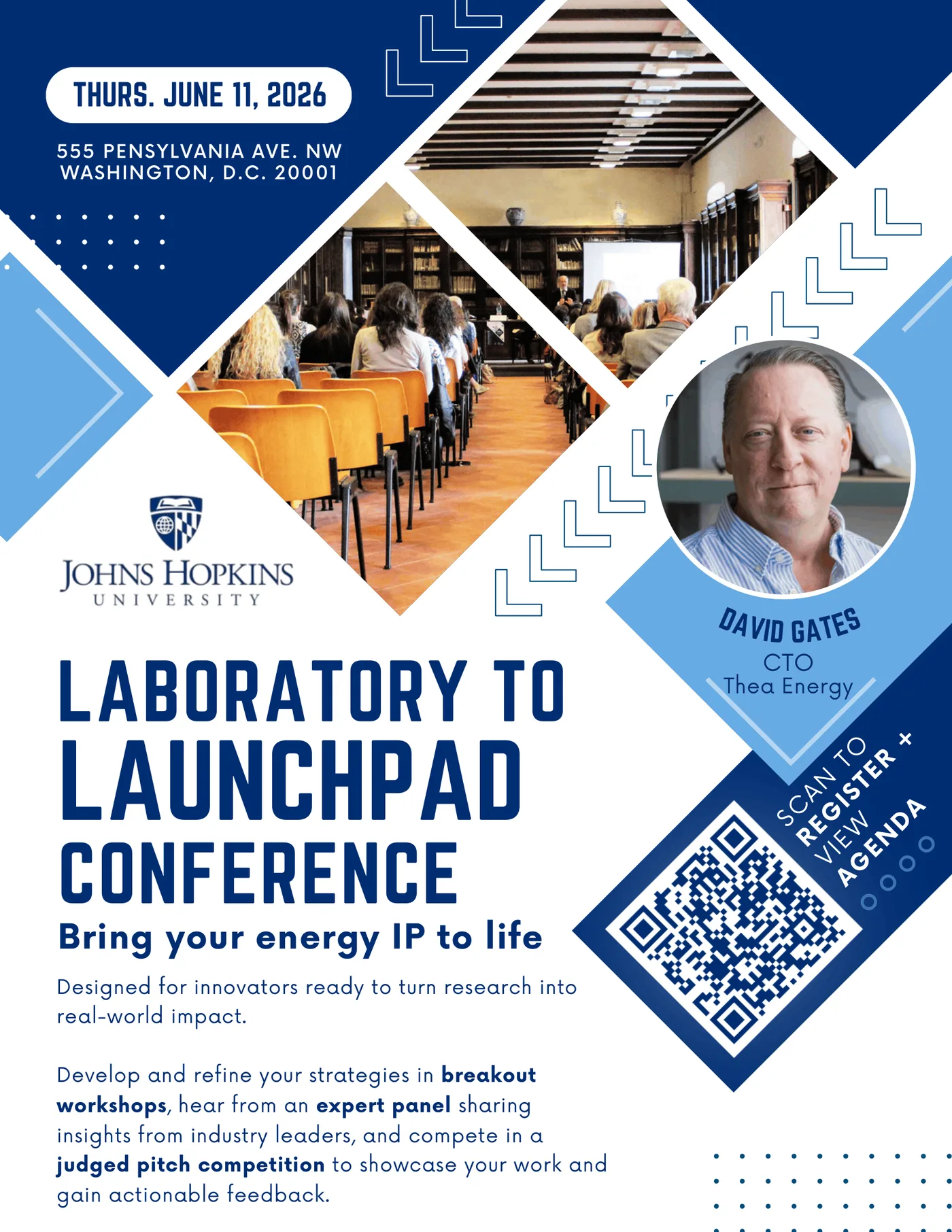
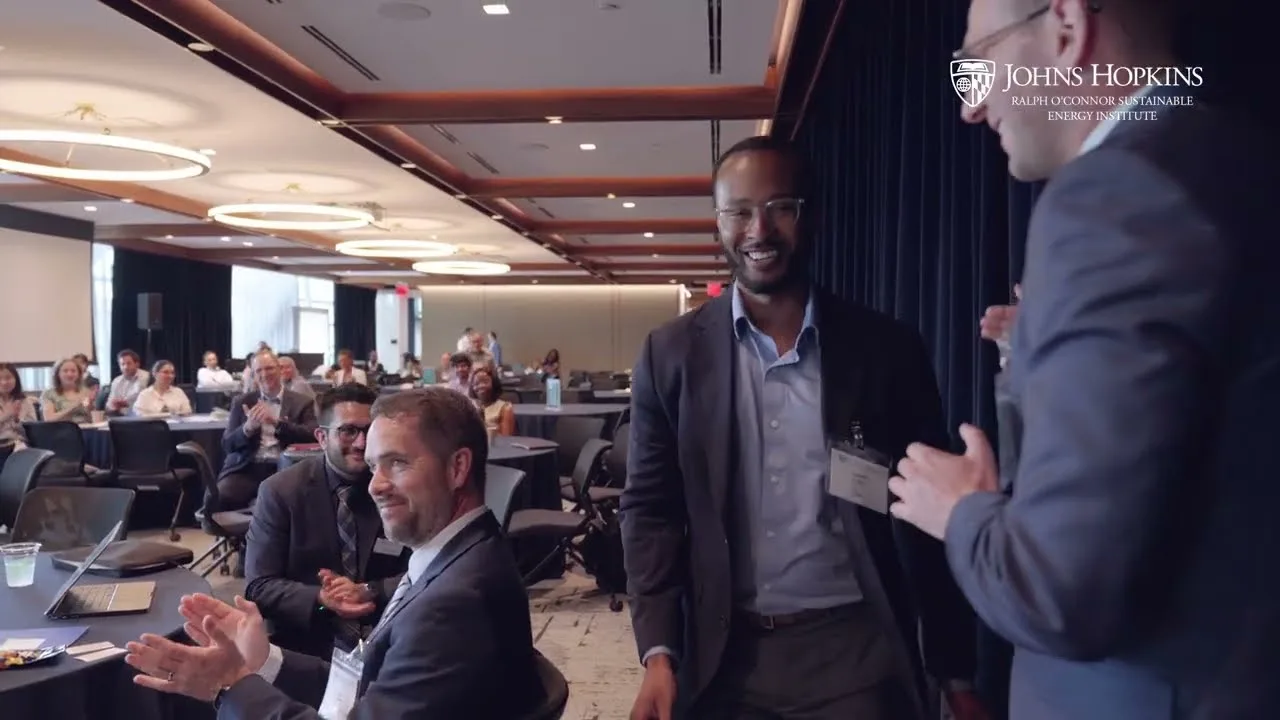
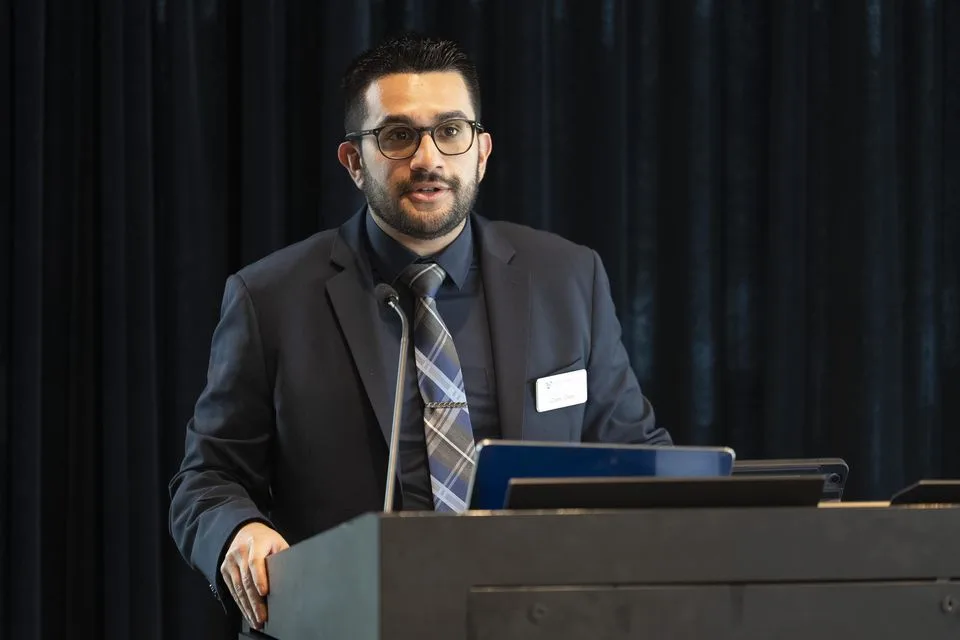
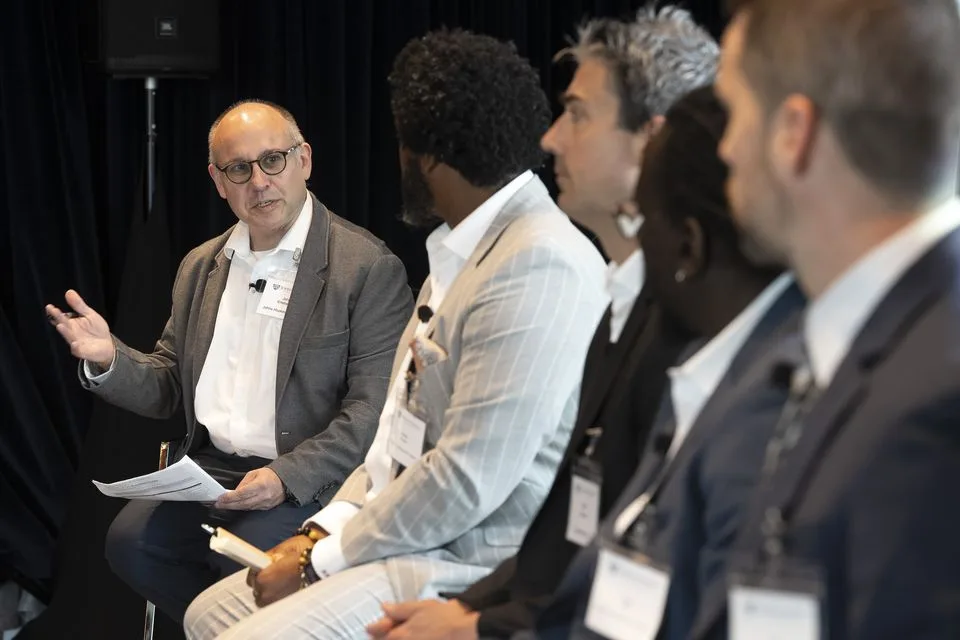
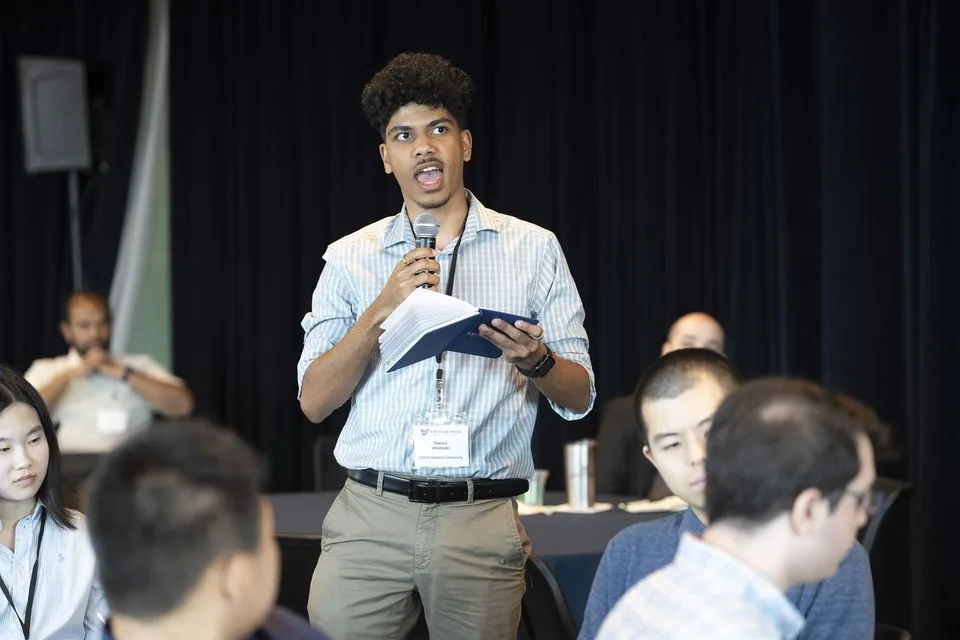
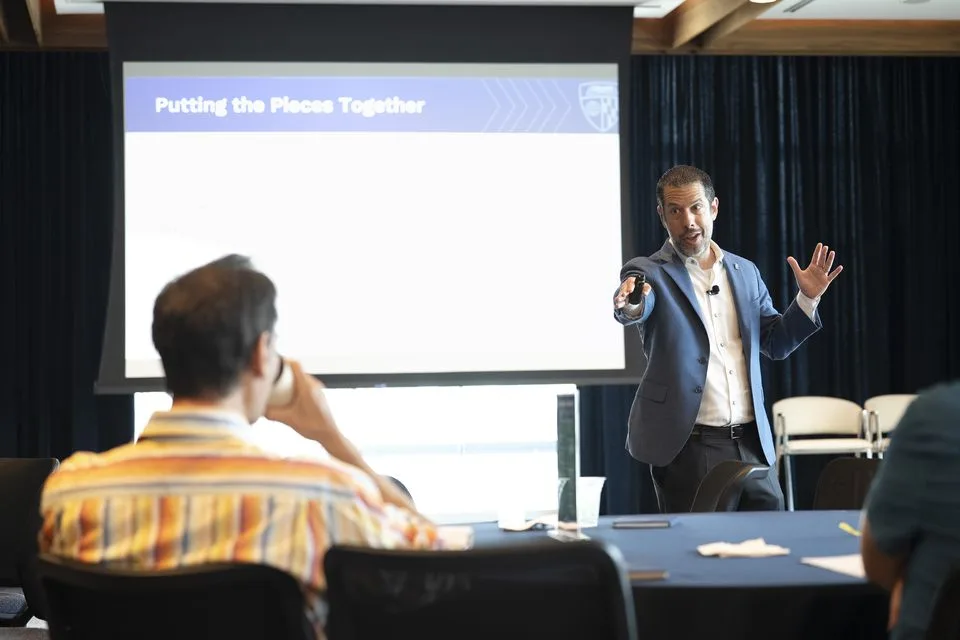
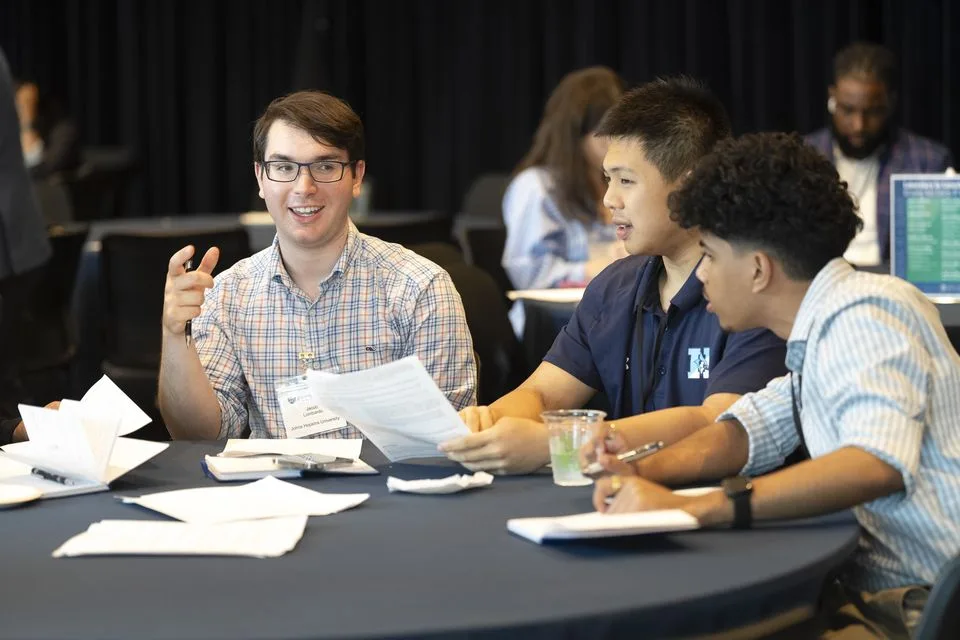
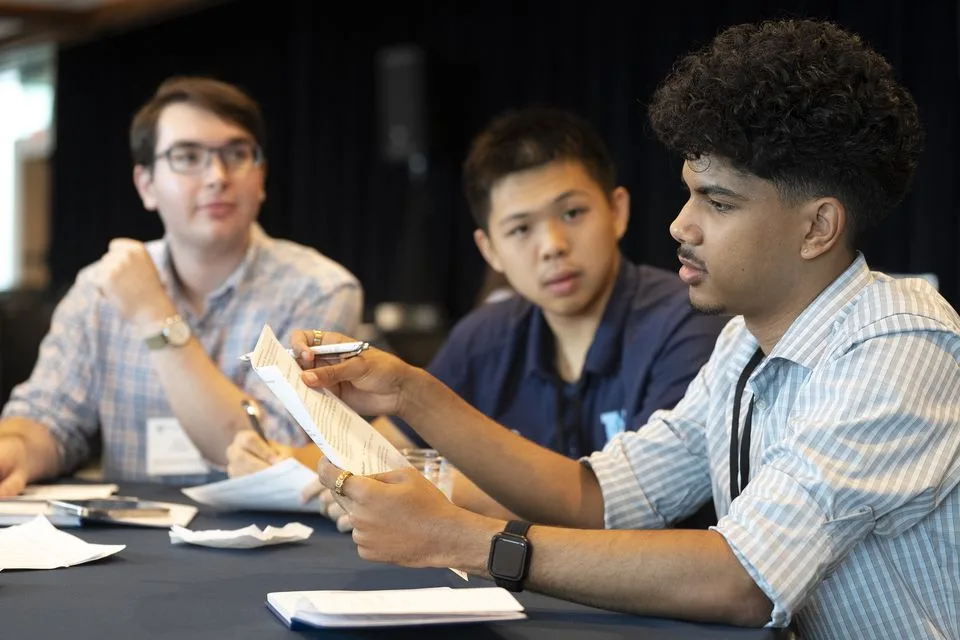
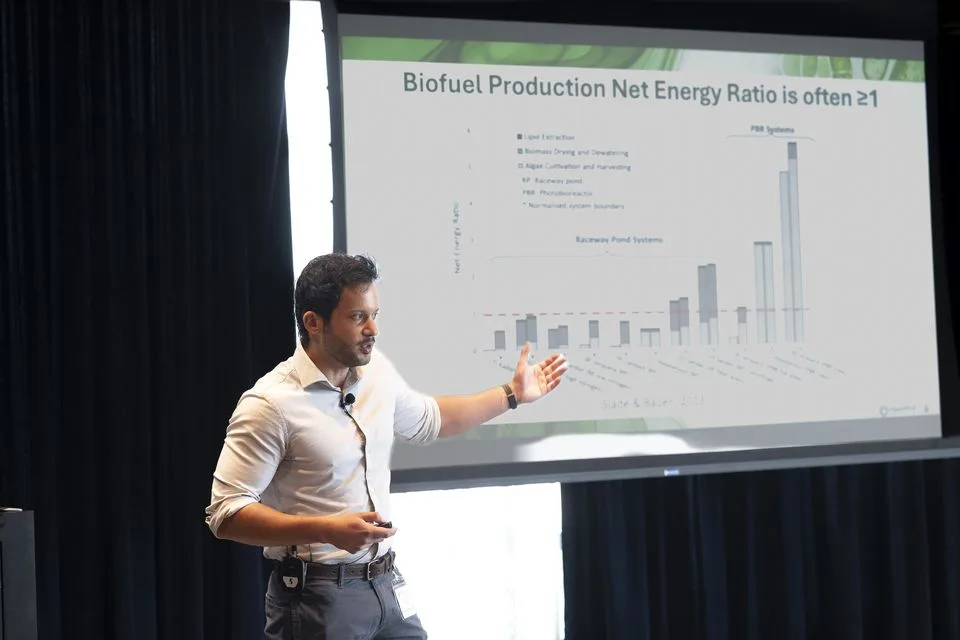
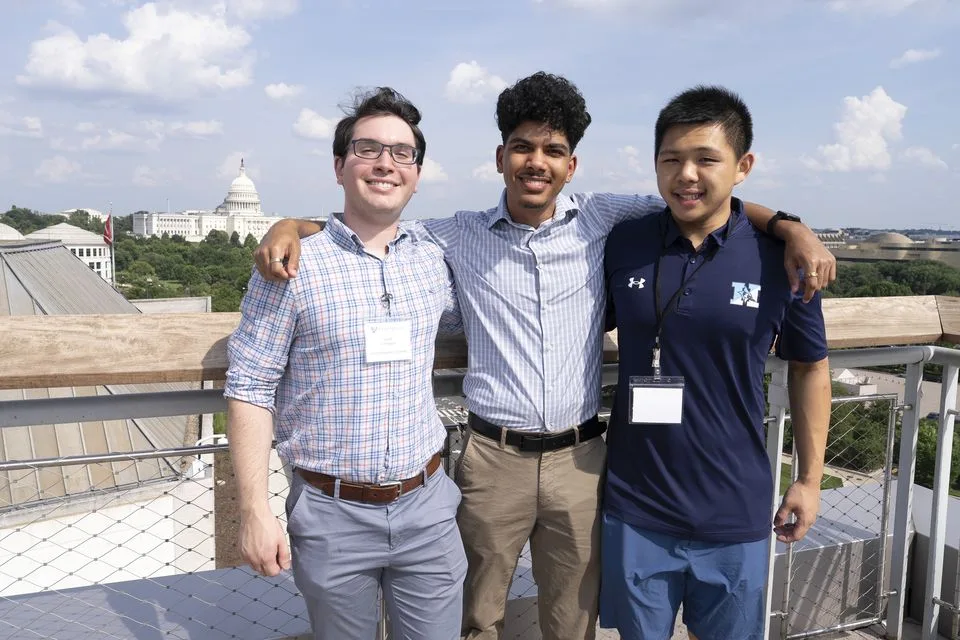
Laboratory to Launchpad: Bringing Your Energy IP to Life was a one-day conference held on June 11, 2026, at the Hopkins Bloomberg Center in Washington, D.C. The conference brought together faculty, students, postdocs, researchers, and other innovators interested in moving research toward application. Sessions covered commercialization, intellectual property, federal funding, startup formation, research communication, and other aspects of translating research beyond the laboratory. The conference was organized by the Energy Translation Steering Committee at Johns Hopkins (Corey Oses, Steven Cohen, Jonah Erlebacher, and Avi Bregman) with a Nexus Convening Grant from the Provost's Office, co-sponsored by the Carey Business School, the Whiting School of Engineering, and the Applied Physics Laboratory.
Highlights
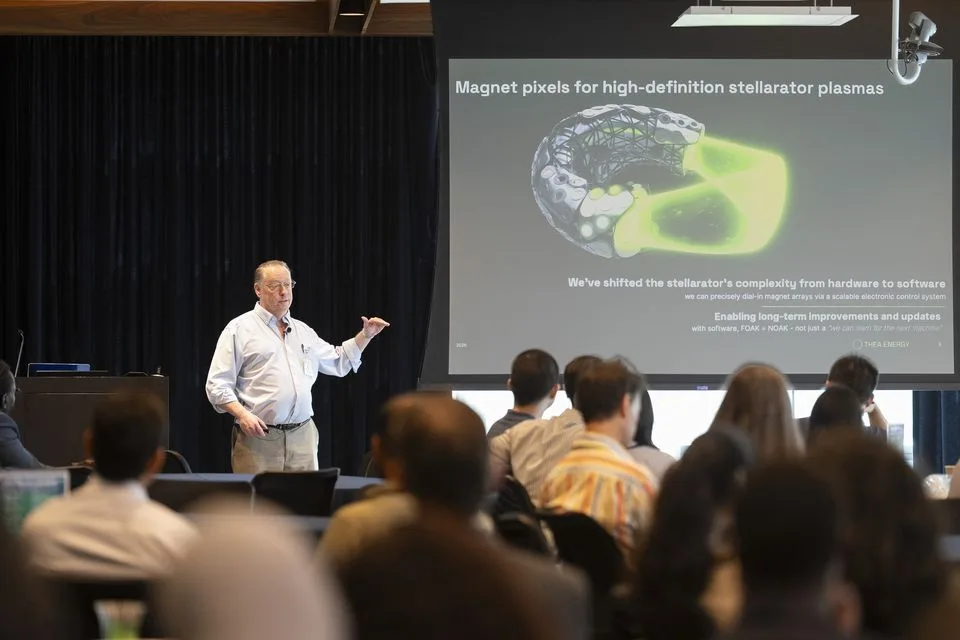
- A featured talk by Dr. David Gates, CTO of Thea Energy
- Workshops on pitching research, securing federal funding, intellectual property, licensing, and startup growth
- A working lunch fireside chat with the Chief Commercialization Officer of the U.S. Department of Energy
- A live pitch competition with judges from venture capital firms
- A networking reception to close the day
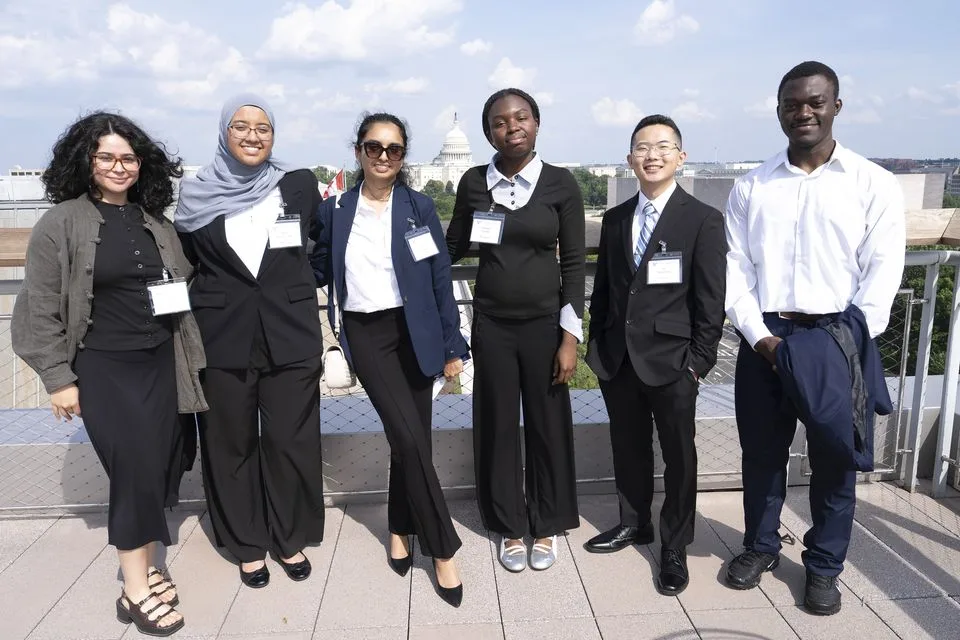
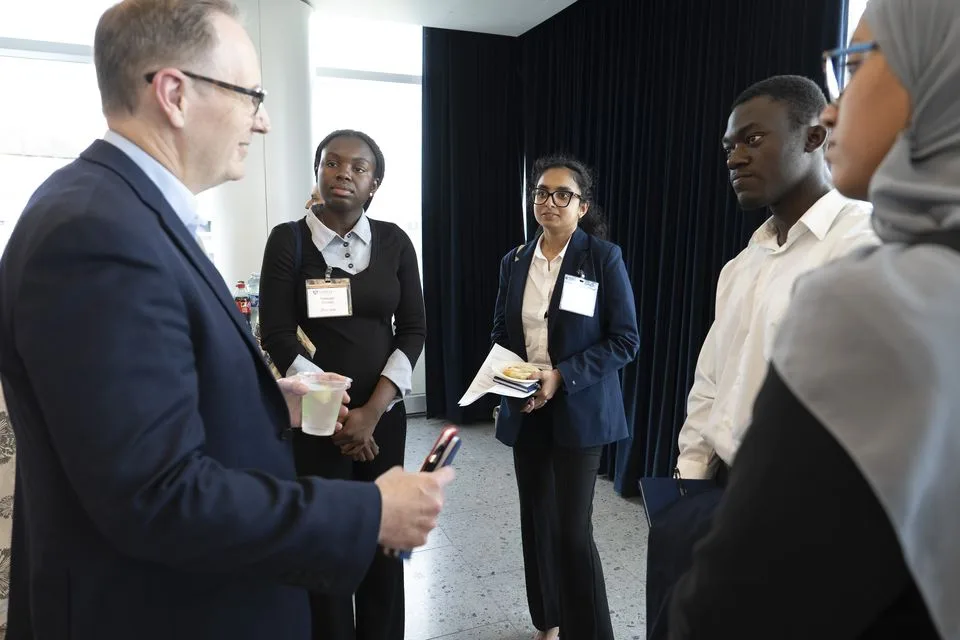
Sessions
- Keynote: from the Princeton Plasma Physics Laboratory to co-founding Thea Energy Dr. David Gates, CTO, Thea Energy
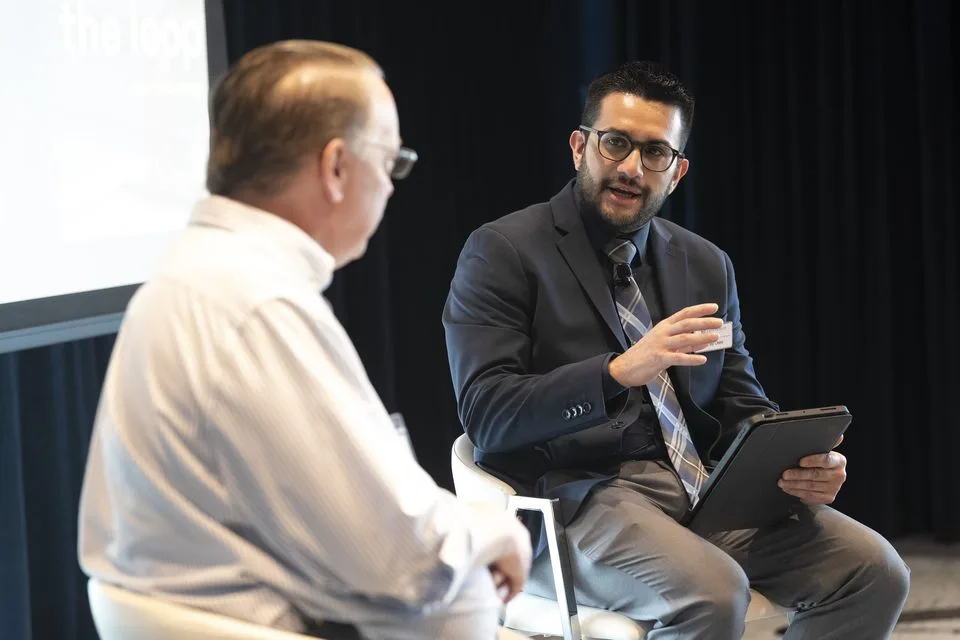
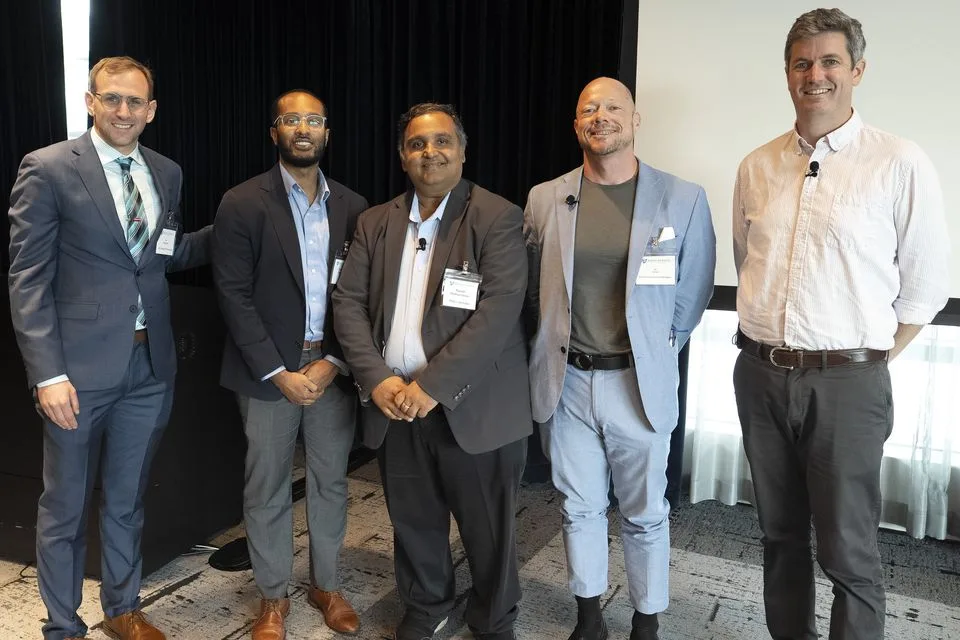
- Panel: working across disciplines Rashad Howard, Dr. Jon R. Owens, Dr. Ahmed Diallo, Dr. Mark Jackson
- Workshop: Fastballs and Curveballs, how to pitch your research effectively Dr. Steven Cohen, Carey Business School
- Workshop: Finding the Fun in Funding, securing federal funding Dr. LaRico Treadwell, E4 Power
- Workshop: Research to Revenue, IP and market strategy for commercialization Christina DeMur, Johns Hopkins Technology Ventures
- Workshop: Don't Just Grow, Thrive, the stages of growing a business Johns Hopkins Technology Ventures
- Fireside chat Anthony Pugliese, Chief Commercialization Officer, U.S. Department of Energy
- Energy IP pitch competition Dr. Ian Tolfree (Emerald Development Managers), Carter Calloway (Ultratech Capital Partners), Rakesh Radhakrishnan (Prithvi Ventures)
Quantum Computing in Practice: Hands On with Quantinuum
Feb 25–26, 2026
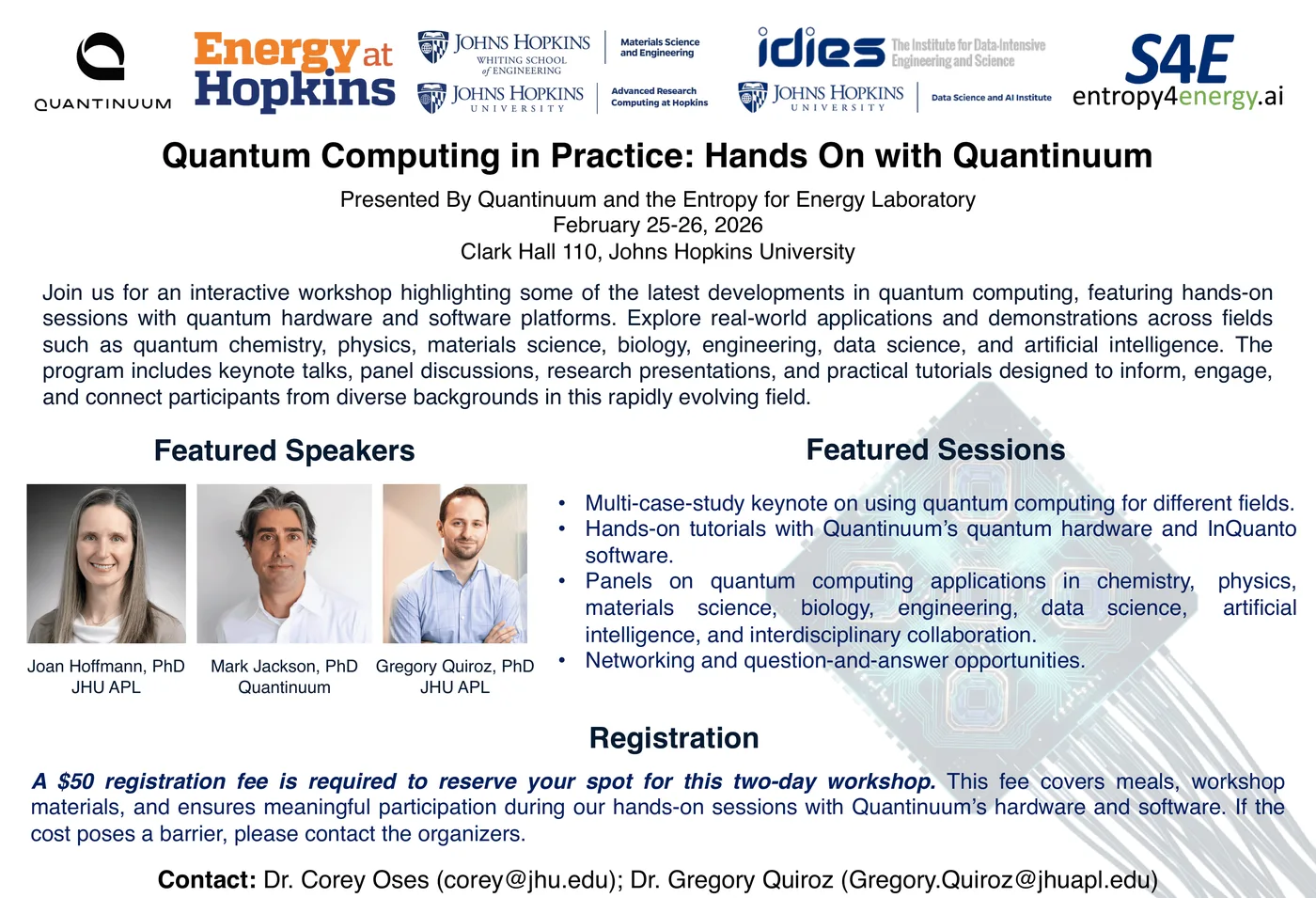
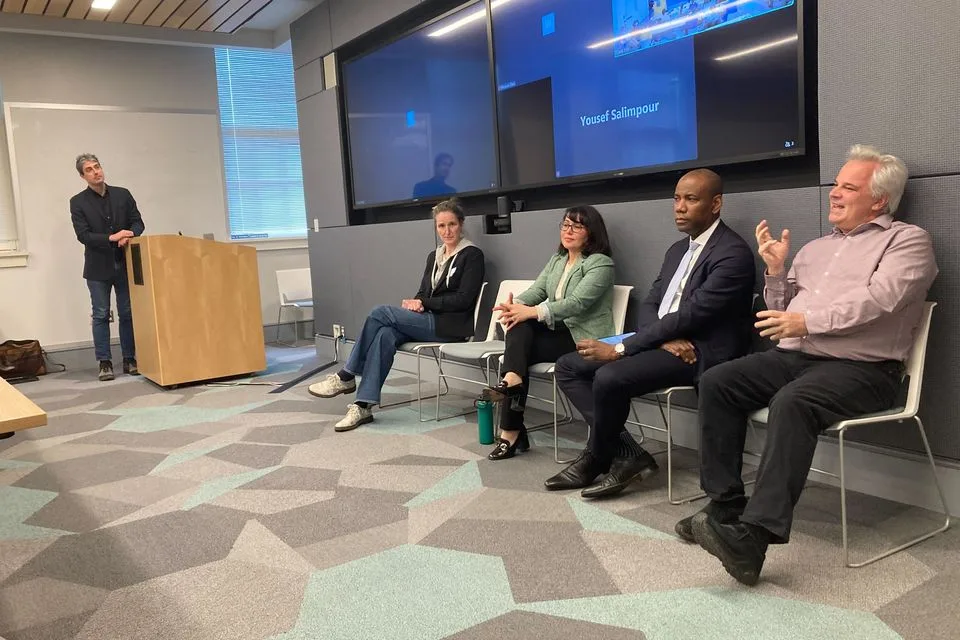
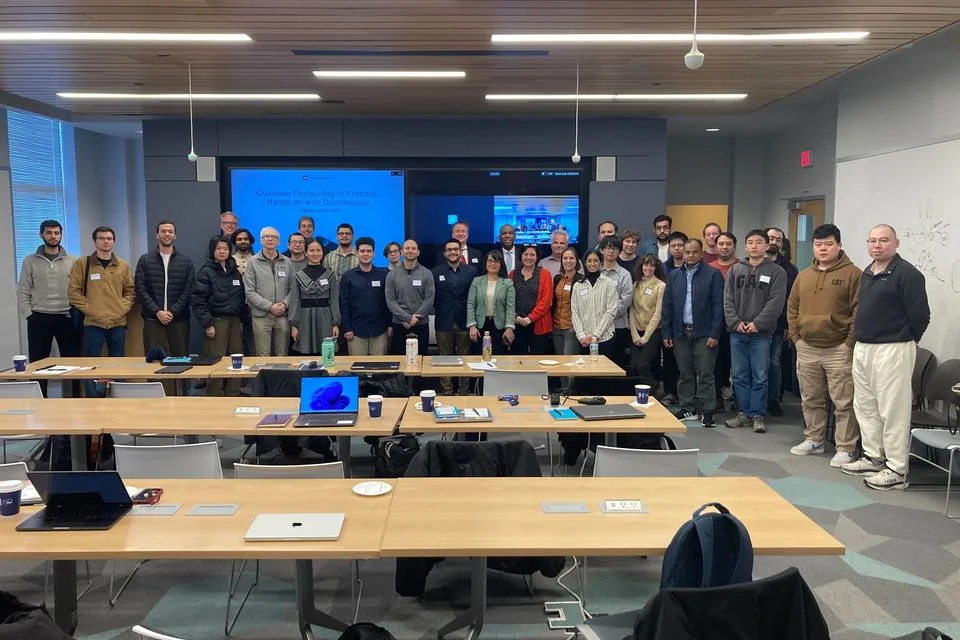
Quantum Computing in Practice: Hands On with Quantinuum was a two-day workshop on quantum computing and its applications across chemistry, physics, materials science, biology, engineering, data science, and artificial intelligence. The program included talks, discussions, research presentations, and hands-on tutorials using Quantinuum hardware and software.
Resources
- Event page (Johns Hopkins Department of Materials Science and Engineering)
- Documentation for InQuanto, Nexus, and other Quantinuum products
- Case-study tutorial: catalyzed nitrogen dissociation, based on the published workflow
- Knowledge article: quantum error-corrected quantum phase estimation for quantum computational chemistry
Sessions
- Day 1: Opening remarks Prof. Corey Oses
- Day 1: Overview of modern quantum computing and its challenges Dr. Gregory Quiroz
- Day 1: National and international investment landscape Dr. Joan Hoffmann
- Day 1: Quantinuum systems and successes Dr. Mark Jackson
- Day 1: Panel: state and federal quantum initiatives Dr. Mark Jackson (moderator), Ricardo Benn, Dr. Richard Conroy, Dr. Joan Hoffmann, Rima Oueid
- Day 1: Quantum use case overview Dr. Thomas Soini
- Day 1: GenQAI: how quantum enables AI and vice versa Dr. Thomas Soini
- Day 1: Quantum workflow demonstration Ciaran Ward
- Nexus demo Mikail Shaikh
- Day 2: Guppy examples and homework notebook Mikail Shaikh
- Day 2: Quantinuum Nexus overview and demo; InQuanto and Nexus Mikail Shaikh, Ciaran Ward
Watch
Data-Driven Materials Modeling Workshop
May 29–31, 2024
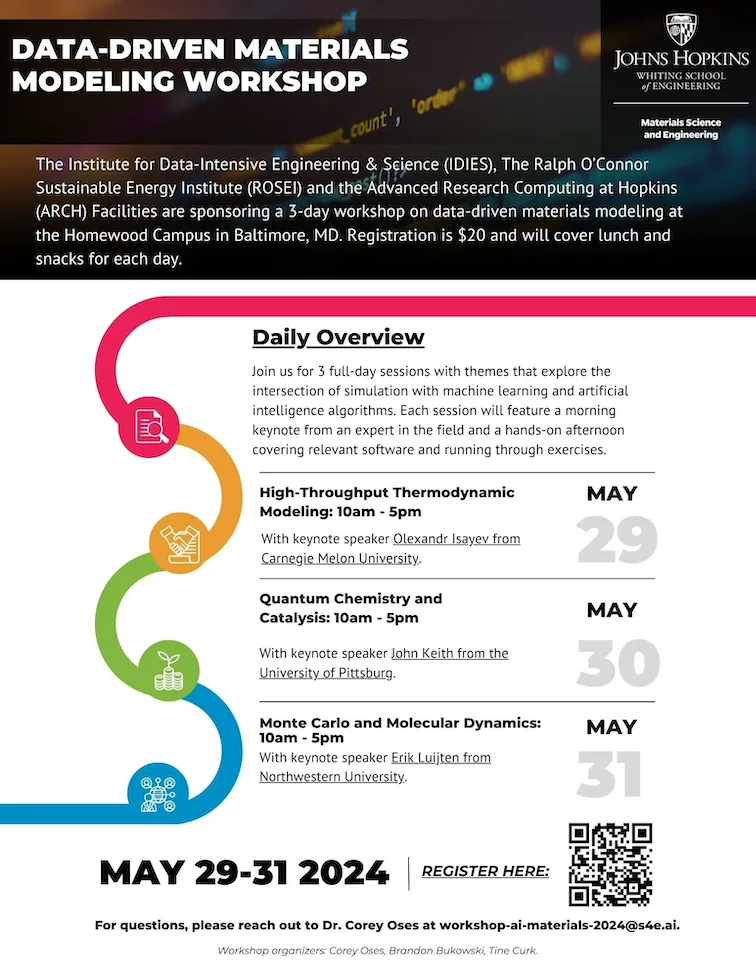
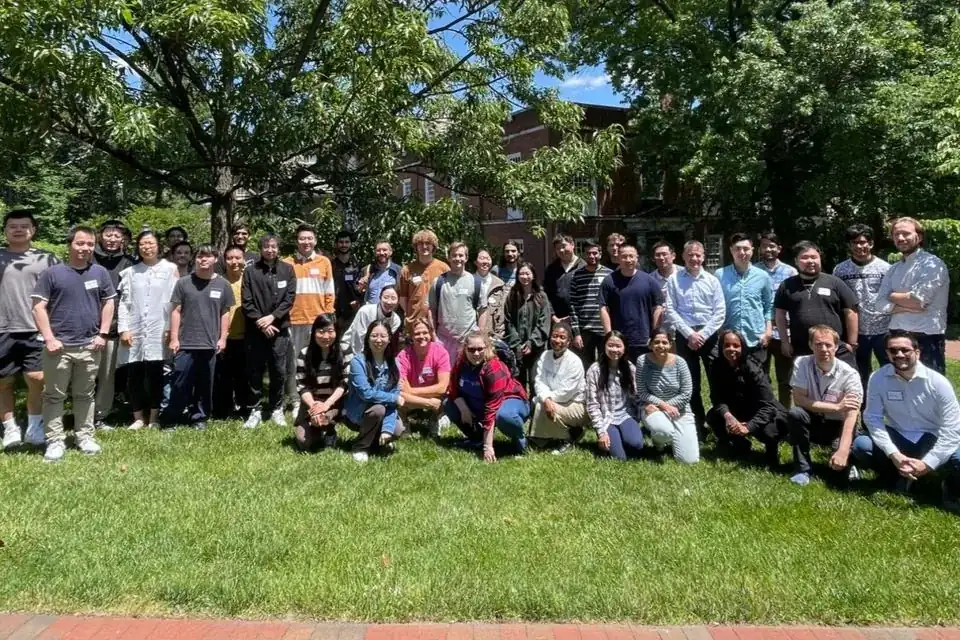
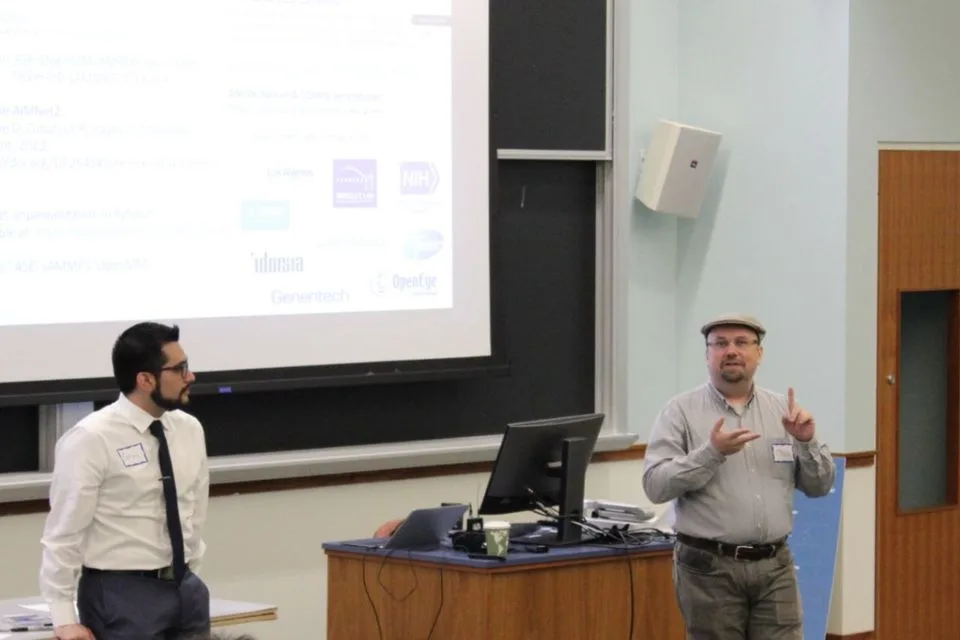
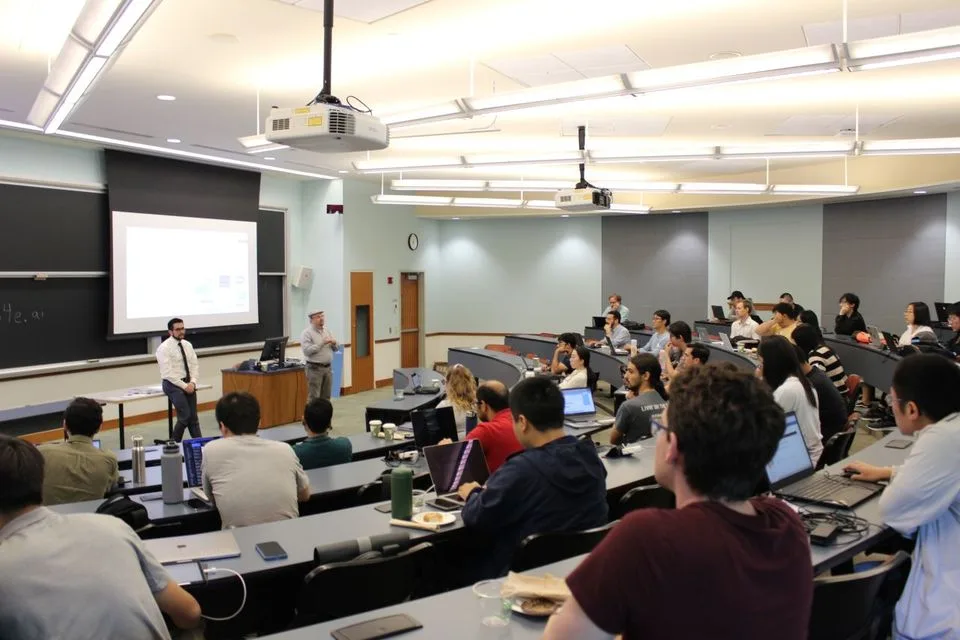
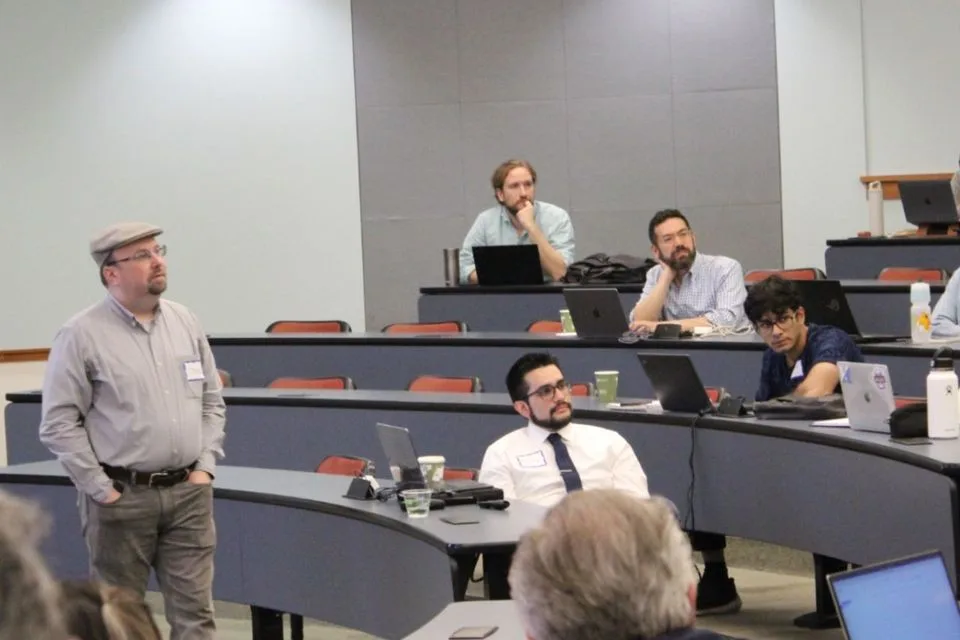
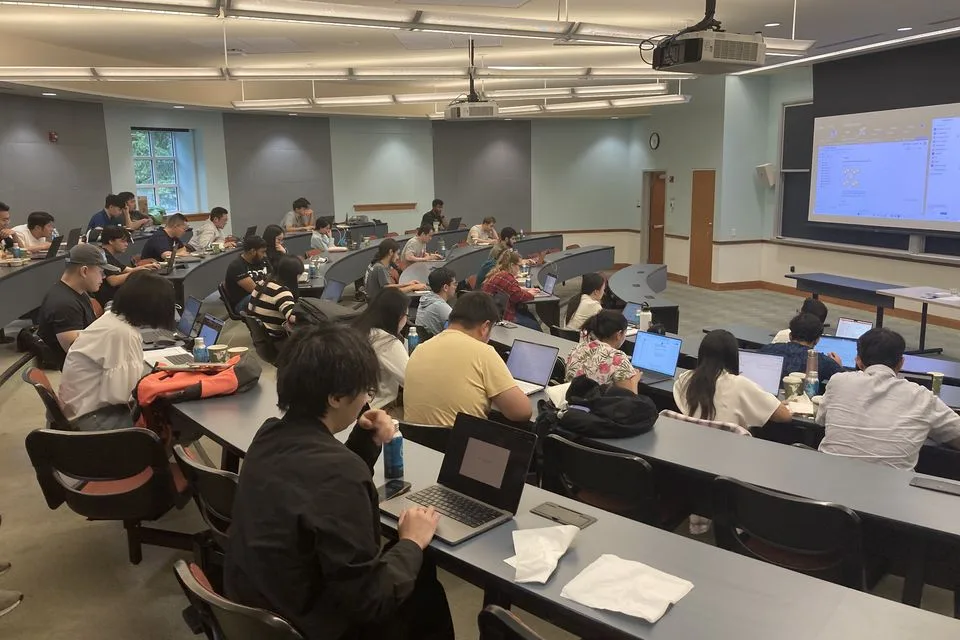
The first Data-Driven Materials Modeling Workshop was held May 29–31, 2024, in Hodson Hall on the Homewood campus, sponsored by the Institute for Data-Intensive Engineering and Science (IDIES), the Ralph O'Connor Sustainable Energy Institute (ROSEI), and Advanced Research Computing at Hopkins (ARCH). Each day had a theme, a morning keynote and seminar, and a hands-on afternoon: high-throughput thermodynamic modeling, quantum chemistry and catalysis, and Monte Carlo and molecular dynamics. The seminars introduced data-driven approaches for experimental and computational materials research, and the hands-on sessions gave students experience implementing the methods with guidance from graduate students and postdoctoral researchers.
Links
Day 1 recordings were edited by Andrew Kim, an undergraduate in Materials Science and Engineering, and posted by Matthew Brownrigg.
Sessions
- Day 1 keynote: Artificial intelligence solutions for computational and materials chemistry tasks Prof. Olexandr Isayev, Carnegie Mellon University
Watch and abstract
A welcome and brief introduction to the workshop, followed by the keynote on universal deep learning potentials and machine-learning-guided materials discovery.
- Day 1 seminar: Introduction of AFLOW Prof. Corey Oses
Watch
-
Watch
-
Watch
-
Watch
-
Watch
-
Watch
- Day 2 keynote: Physical (and AI/ML amenable) paradigms for computationally interrogating atomic-scale reaction mechanisms Prof. John A. Keith, University of Pittsburgh
- Day 2 seminar Prof. Brandon Bukowski
- Day 2 hands-on: Quantum chemistry and catalysis (density functional theory with GPAW, ab initio molecular dynamics, machine learning potentials with NequIP) Prof. Brandon Bukowski
- Day 3 keynote: Combining advanced simulations and experiments, a path toward understanding collective phenomena Prof. Erik Luijten, Northwestern University
- Day 3 seminar Prof. Michael Falk, Prof. Tine Curk
- Day 3 hands-on: Monte Carlo and molecular dynamics (fracture with molecular dynamics, Monte Carlo for alloy equilibration, random forest classification and regression) Dr. Vicente Munizaga, Dr. Turash Haque Pial