Entropy for Energy Laboratory

Home

Welcome to the Entropy for Energy Laboratory at Johns Hopkins University.
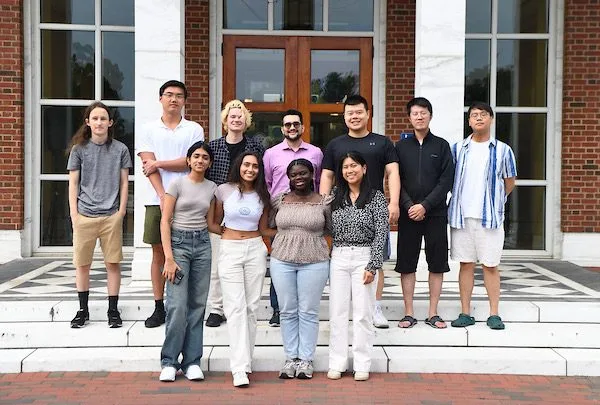
The group @ Mason Hall
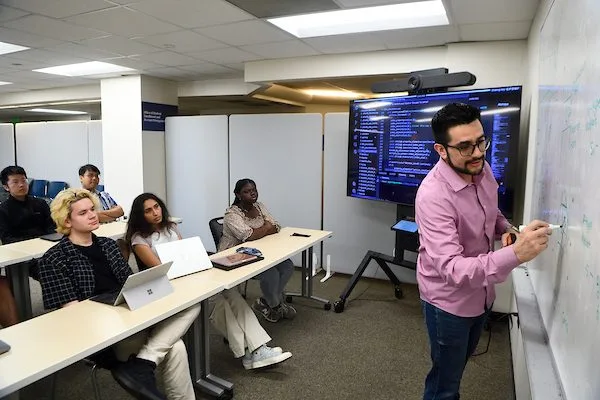
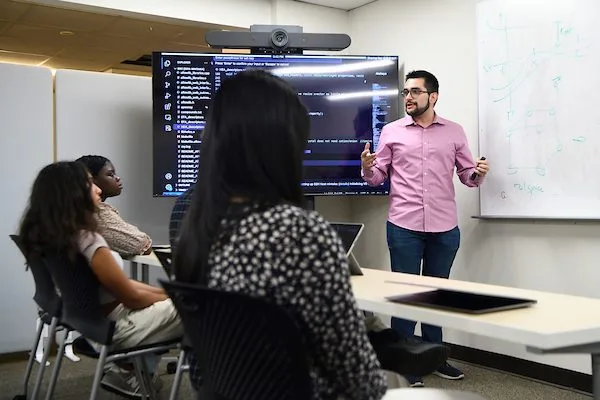
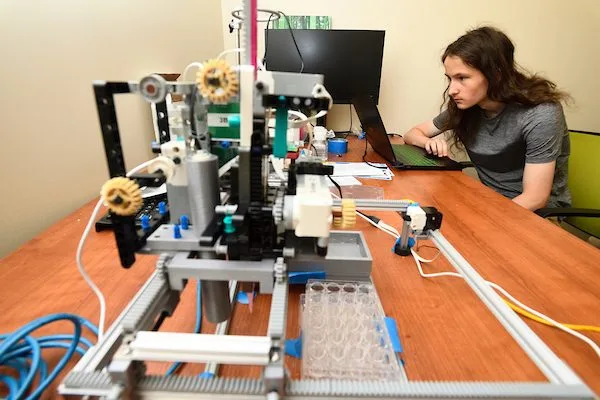
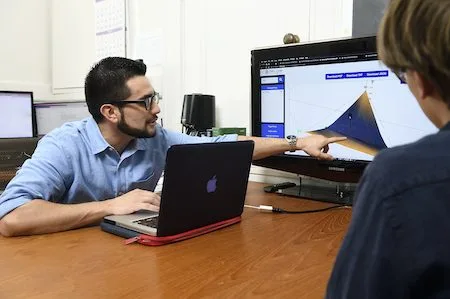
Prof. Oses teaching with LEGOLAS
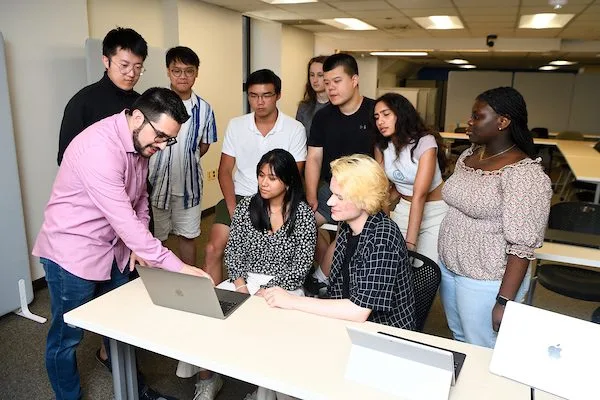
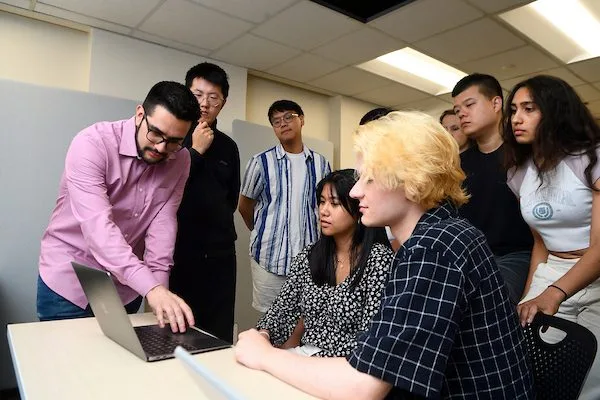
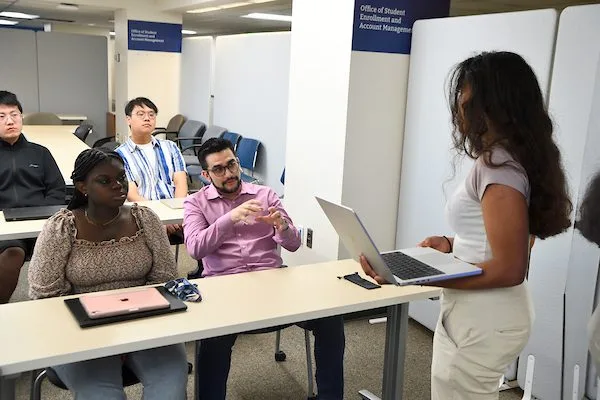
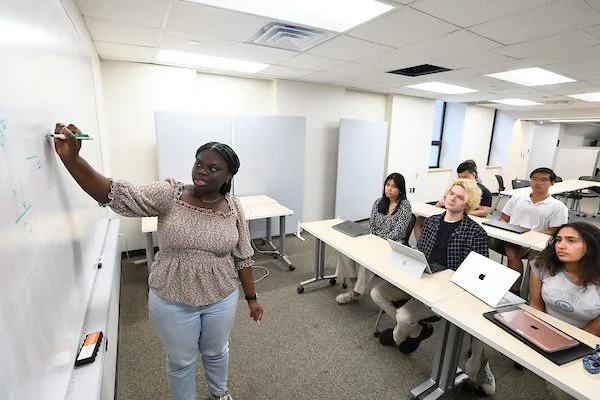
Prof. Oses teaching session
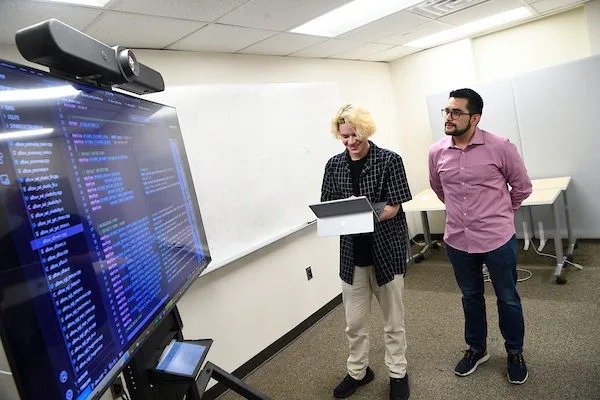
Matt teaching session
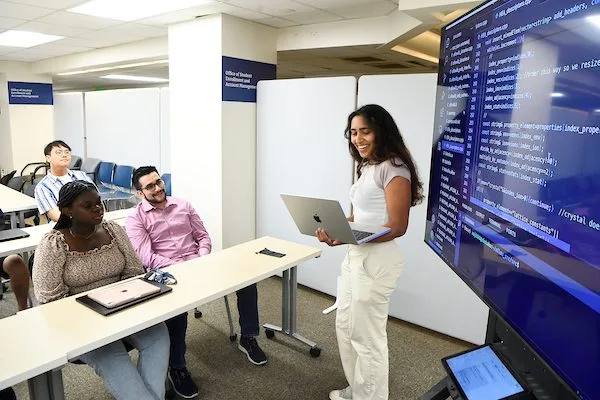
Akshaya teaching session
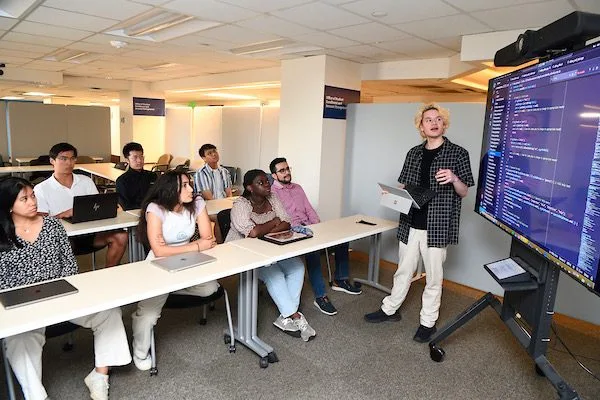
Undergraduate teaching session
Undergraduates studying
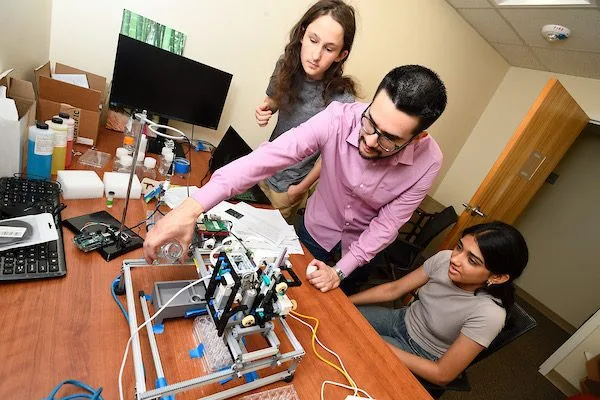
High school students with LEGOLAS
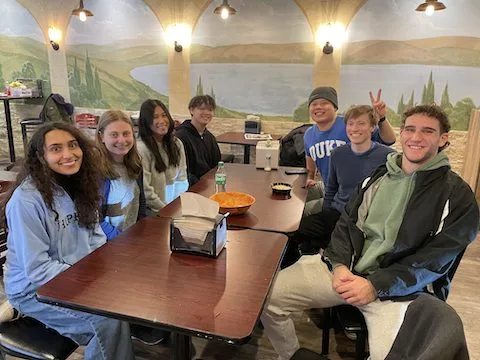
Ending of the semester dinner @ Yesh
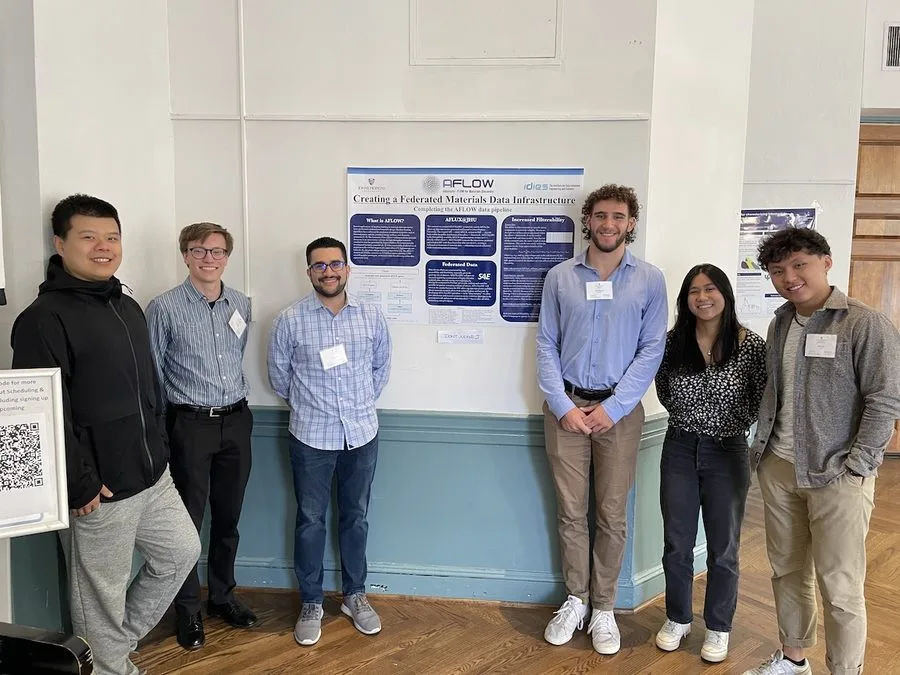
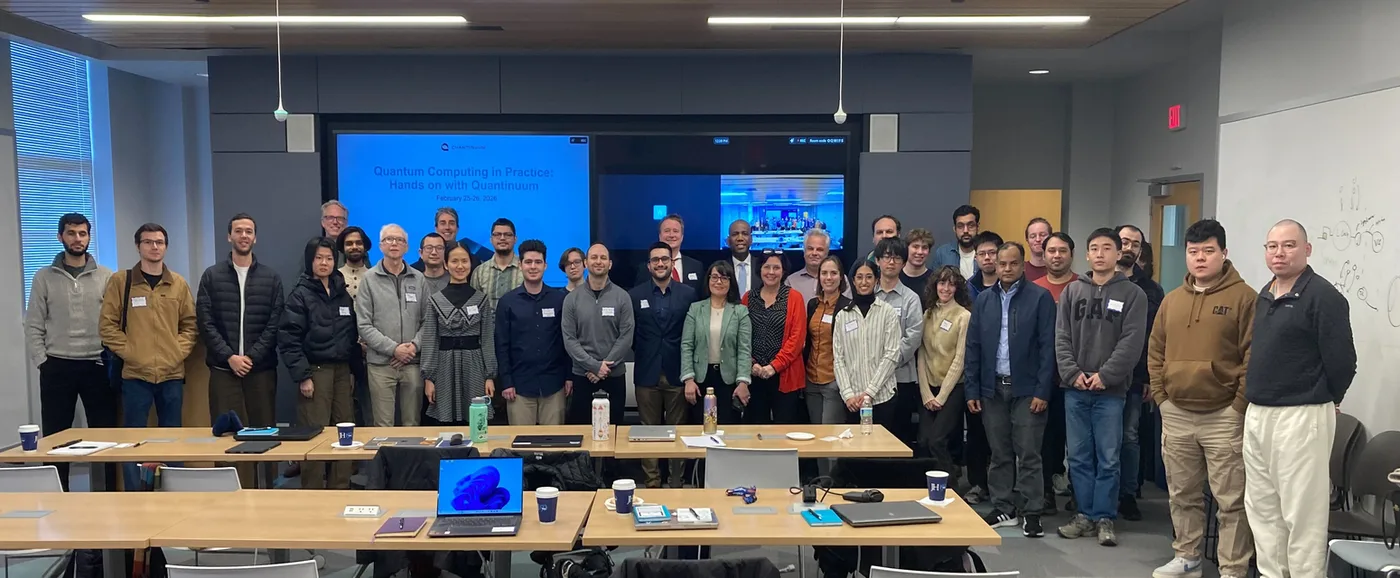
The group @ IDIES' 2023 Symposium
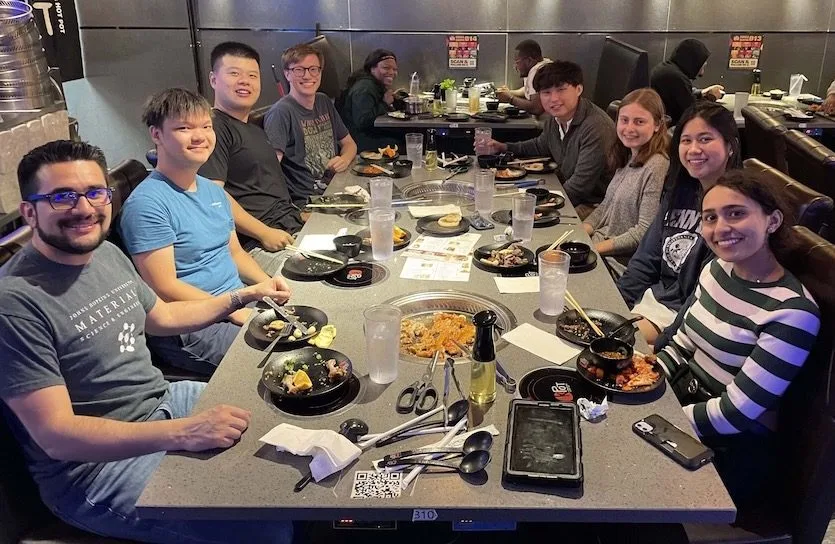
The group BBQ lunch @ K-POT!
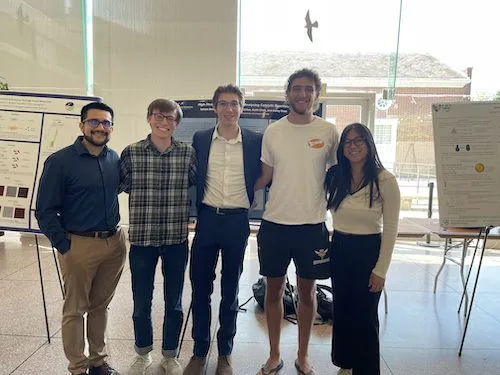
The group @ Hopkins' 2023 Summer Research Symposium
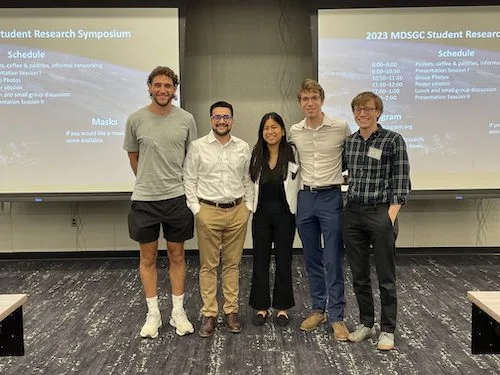
The group @ MDSGC's 2023 Student Research Symposium
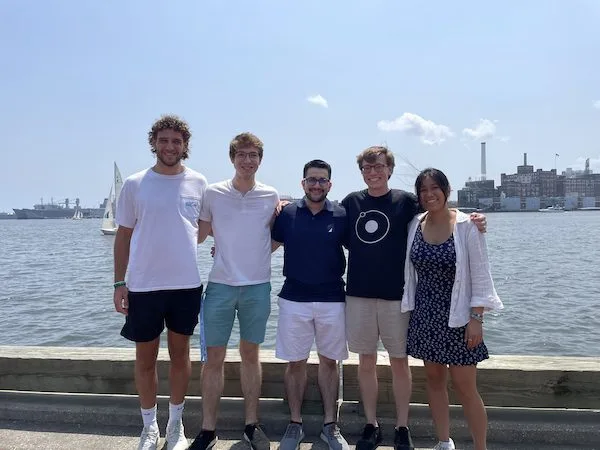
The group @ Baltimore's Inner Harbor
Prof. Oses teaching CHULL

The Entropy for Energy (S4E) Laboratory develops computational and AI methods to design chemically disordered materials for energy production, chemical manufacturing, nuclear technology, and extreme environments. There are far too many possible compositions and atomic arrangements to calculate or test one at a time. We develop models that learn from this space and propose new materials, then make and test them in our laboratory and with collaborators.

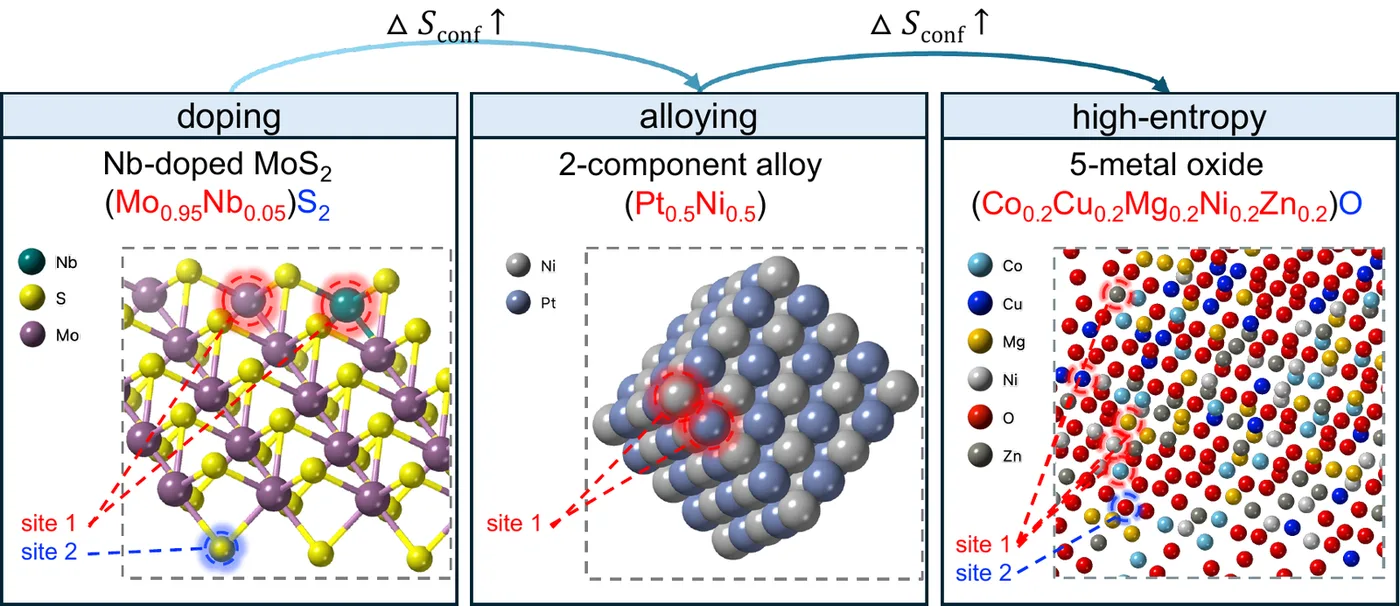
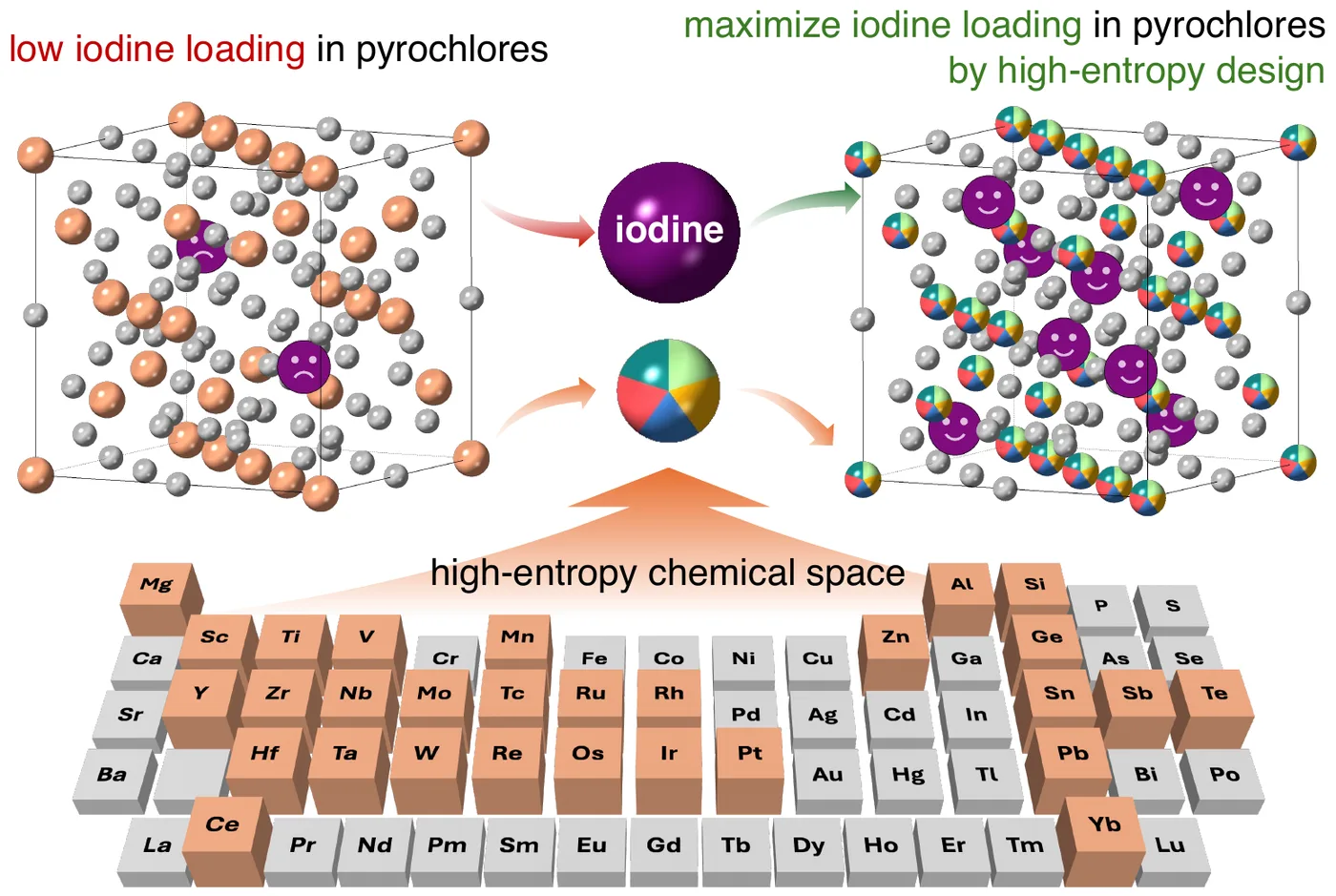
Since 2022, our work at Johns Hopkins University has focused on AI-driven materials design, hydrogen production, and materials for fission and fusion. Recent results include the first demonstration that iodine can be incorporated directly into a pyrochlore crystal lattice, platinum-free fuel-cell catalyst candidates, and new computational methods for high-entropy materials. The program is supported by ARPA-E, the Seaver Institute, ROSEI, and the Data Science and AI Institute. The group has filed two provisional patents.
The S4E lab is recruiting PhD students and postdoctoral researchers with backgrounds in materials science, physics, chemistry, and computer science. See the Jobs page for how to apply.

Stabilizing Iodine in Pyrochlore: Toward New Nuclear Waste Forms
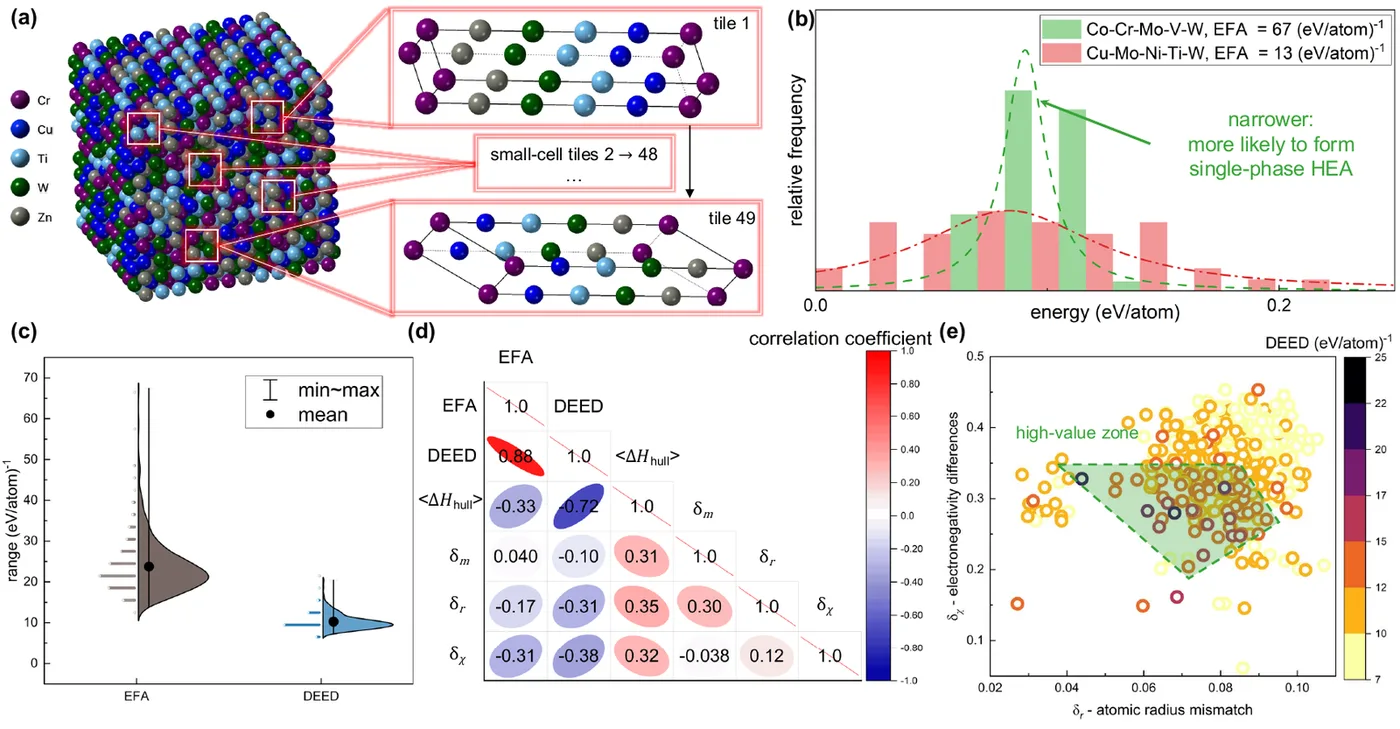
The search for high-entropy fuel-cell catalysts using disorder descriptors
Beyond the four core effects: revisiting thermoelectrics with a high-entropy design
High entropy powering green energy: hydrogen, batteries, electronics, and catalysis
Atomic Ordering-Induced Ensemble Variation in Alloys Governs Electrocatalyst On/Off States
Fermi energy engineering of enhanced plasticity in high-entropy carbides
Developments and applications of the OPTIMADE API for materials discovery, design, and data exchange
Disordered enthalpy-entropy descriptor for high-entropy ceramics discovery